
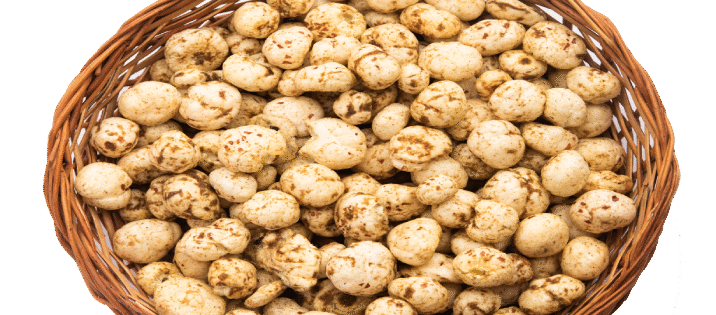
In the world of superfoods, makhana (fox nuts) stands as one of India’s best-kept secrets – until now. For centuries, this humble aquatic seed has been cherished in Indian households, Ayurvedic medicine, and traditional cuisines. Today, as the world rediscovers ancient wellness wisdom, makhana is finally getting its moment in the spotlight.
Whether you call it fox nuts, lotus seeds, or phool makhana, this crunchy delight is more than just a snack – it’s a nutritional powerhouse with a fascinating history and incredible health benefits. In this ultimate guide, we’ll explore everything you need to know about India’s ancient superfood.
What Exactly is Makhana?
Makhana, scientifically known as Euryale ferox, comes from the seeds of the prickly water lily plant. These seeds are harvested from ponds and wetlands, primarily in the Indian states of Bihar and Assam, which account for nearly 90% of the world’s production.
The harvesting process is labor-intensive and fascinating. Farmers dive into shallow waters to collect the seeds, which are then dried, roasted, and popped to create the light, crunchy snack we know and love. The result? A nutritious superfood that’s been nourishing generations.
The Historical Significance of Makhana
Makhana has deep roots in Indian culture and tradition:
Ayurvedic Heritage:
In Ayurveda, makhana is classified as a sattvic food – one that promotes clarity, purity, and balance in the body and mind. It’s been used for thousands of years to treat various ailments and promote overall wellness.
Religious Significance:
Makhana plays an important role in Hindu rituals and fasting practices. It’s considered a pure food that’s often consumed during religious observances like Navratri and Ekadashi.
Royal Treatment:
Historical records suggest that makhana was a prized delicacy in royal Indian courts, valued for both its taste and medicinal properties.
Nutritional Profile: Why Makhana is a Superfood
Let’s break down what makes makhana nutritionally spectacular (per 100g serving):
- Calories: Approximately 347 kcal
- Protein: 9.7g – Excellent plant-based protein source
- Carbohydrates: 76.9g – Sustained energy release
- Fat: 0.1g – Extremely low fat content
- Fiber: 14.5g – Great for digestive health
- Calcium: 60mg – Supports bone health
- Iron: 1.4mg – Prevents anemia
- Phosphorus: 350mg – Essential for cellular function
- Magnesium: 210mg – Supports muscle and nerve function
Plus, makhana is rich in antioxidants, contains essential amino acids, and is naturally gluten-free!
The Health Benefits: Ancient Wisdom Meets Modern Science
1. Heart Health Champion
Makhana is low in sodium and high in potassium, making it excellent for cardiovascular health. The magnesium content helps regulate blood pressure and improve blood circulation.
2. Weight Management Ally
With high fiber and protein content but low calories and fat, makhana keeps you feeling full longer, reducing overall calorie intake and supporting healthy weight management.
3. Anti-Aging Properties
Rich in antioxidants, makhana fights free radicals and oxidative stress, potentially slowing down the aging process and promoting youthful skin.
4. Diabetes-Friendly
Makhana has a low glycemic index, meaning it releases sugar slowly into the bloodstream, making it an excellent snack choice for people with diabetes.
5. Digestive Health
The high fiber content promotes healthy digestion, prevents constipation, and supports gut health.
6. Kidney Health
In traditional medicine, makhana is known for its detoxifying properties and is believed to support kidney function.
How Makhana is Processed: From Pond to Plate
Understanding the journey of makhana adds appreciation for this incredible food:
- Harvesting: Seeds are collected from water lily plants in wetlands
- Sun-Drying: Seeds are spread out and dried under the sun for several days
- Roasting: Dried seeds are roasted in large vessels at high temperatures
- Popping: The roasted seeds pop open, revealing the white, fluffy interior
- Cleaning: The black outer shell is removed manually
- Grading: Makhanas are sorted by size and quality
- Packaging: Finally packed to preserve freshness and crunch
Traditional vs. Modern Flavored Makhana
Traditional Makhana: Historically, makhana was simply roasted with ghee and a pinch of salt. This preparation is still popular during fasting periods and is loved for its pure, subtle flavor.
Modern Flavored Makhana: Today’s innovation has transformed makhana into an exciting snacking experience. Brands like Pick & Bite offer contemporary flavors like Cheese Masti, Peri Peri, Pepper Punch, Tangy Tomato, and Himalayan Salt – making healthy snacking delicious and convenient.
The best part? Modern roasting techniques eliminate the need for oil or ghee, making flavored makhana even healthier than traditional preparations.
How to Incorporate Makhana into Your Diet
As a Snack:
- Straight from the packet for quick munching
- Mixed with nuts and dried fruits for a trail mix
- As a healthier alternative to chips and popcorn
In Cooking:
- Add to curries for texture and nutrition
- Grind into flour for gluten-free baking
- Toss into salads for extra crunch
- Make traditional makhana kheer (pudding)
For Special Occasions:
- Create makhana chaat with spices and chutneys
- Make makhana ladoos for festivals
- Serve flavored makhana as party appetizers
Storage Tips: Keeping Your Makhana Fresh
To maintain that perfect crunch:
- Store in an airtight container
- Keep in a cool, dry place away from moisture
- Avoid refrigeration as it can make makhana soggy
- If makhana loses crunch, lightly roast it in a pan
- Consume within the expiration date for best quality
Who Should Eat Makhana?
The beauty of makhana is its universal appeal:
✅ Weight Watchers: Low calorie, high satiety
✅ Fitness Enthusiasts: Great protein and energy source
✅ Diabetics: Low glycemic index
✅ Heart Patients: Low sodium, heart-friendly
✅ Pregnant Women: Rich in nutrients like calcium and iron
✅ Children: Healthy alternative to junk food
✅ Elderly: Easy to digest, nutrient-dense
✅ Fasting Individuals: Permitted during religious fasts
Potential Considerations
While makhana is generally safe for everyone, keep these points in mind:
- Portion Control: Though healthy, makhana is calorie-dense, so moderation is key
- Allergies: Rare, but some people may have allergies to lotus seeds
- Gas/Bloating: Excessive consumption might cause digestive discomfort in some people
- Flavored Varieties: Check sodium content if you’re on a low-salt diet
The Sustainability Factor
Makhana cultivation is environmentally friendly:
- Grows in natural water bodies without pesticides
- Provides livelihoods to thousands of rural farmers
- Doesn’t require deforestation or intensive farming
- Helps maintain wetland ecosystems
By choosing makhana, you’re supporting sustainable agriculture and traditional farming communities.
The Future of Makhana
As global interest in plant-based, sustainable, and nutritious foods grows, makhana is poised to become a worldwide sensation. Research continues to uncover new health benefits, and innovative brands are creating exciting new ways to enjoy this ancient superfood.
From health food stores in New York to fitness centers in London, makhana is making its mark on the global wellness scene – and this is just the beginning.
Conclusion
Makhana is proof that sometimes the most powerful superfoods have been right under our noses all along. This ancient Indian snack combines impressive nutrition, cultural significance, and delicious taste in one humble package.
Whether you’re looking to improve your health, manage your weight, find a protein-rich snack, or simply enjoy something delicious and guilt-free, makhana checks all the boxes. As we reconnect with traditional wisdom and embrace wholesome nutrition, makhana stands as a shining example of how ancient foods can meet modern needs.
So the next time you reach for a snack, make it makhana – your body, taste buds, and the planet will thank you!
Ready to experience the makhana magic? Explore Pick & Bite’s range of delicious flavored makhanas and join the superfood revolution today!
Frequently Asked Questions (FAQs)
Q1. What is makhana called in English?
A: Makhana is called “fox nuts” or “lotus seeds” in English. The scientific name is Euryale ferox.
Q2. Can I eat makhana every day?
A: Yes, you can eat makhana daily in moderate portions (30-50g). It’s a healthy snack that provides sustained nutrition without adverse effects when consumed as part of a balanced diet.
Q3. Is makhana good for weight loss?
A: Absolutely! Makhana is low in calories, high in protein and fiber, which keeps you full longer and helps reduce overall calorie intake, making it excellent for weight loss.
Q4. Can diabetics eat makhana?
A: Yes, makhana has a low glycemic index and releases sugar slowly into the bloodstream, making it safe and beneficial for people with diabetes.
Q5. How should I store makhana?
A: Store makhana in an airtight container in a cool, dry place. Avoid refrigeration as moisture can make it soggy. Proper storage keeps it fresh and crunchy for weeks.
Q6. Is roasted makhana better than fried?
A: Yes, roasted makhana is healthier as it contains minimal to no oil, making it lower in calories and fat while maintaining its nutritional benefits and crunch.
Q7. Can pregnant women eat makhana?
A: Yes, makhana is safe and beneficial for pregnant women as it provides calcium, iron, and protein essential for fetal development. However, always consult your doctor.
Q8. What are the side effects of eating too much makhana?
A: Excessive consumption may cause bloating, gas, or digestive discomfort due to high fiber content. Stick to recommended portions (30-50g daily).
Q9. Is makhana gluten-free?
A: Yes, makhana is naturally gluten-free, making it safe for people with celiac disease or gluten sensitivity.
Q10. How many calories are in makhana?
A: Makhana contains approximately 347 calories per 100g, or about 105 calories per 30g serving, making it a moderate-calorie, nutrient-dense snack.